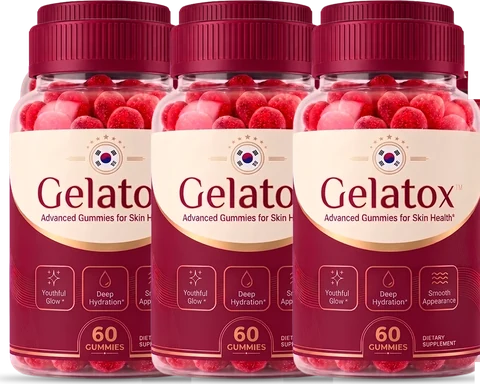
Vitamin B6 is a group of related compounds including pyridoxine. Folate is vitamin B9, named from the Latin folium, meaning leaf, since it was first found in leafy greens. Pantothenic acid is vitamin B5, from the Greek pantothen, meaning from everywhere. All three are named ingredients in Gelatox™.
The other three named ingredients · Vitamin B6: a family, not a single molecule · Folate: named for leaves · Pantothenic acid: from everywhere · A quick cheat sheet and where to go next
- Vitamin B6 is a family of related compounds, including pyridoxine.
- Folate is vitamin B9, from Latin folium, leaf.
- Pantothenic acid is vitamin B5, from Greek for from everywhere.
- This post covers names and history, never amounts.
The other three named ingredients
The brand names five ingredients for Gelatox. An earlier post on this blog covers Biotin and Vitamin B12. Here we finish the list with Vitamin B6, Folate and Pantothenic Acid, again sticking to names, history and chemistry.
Amounts are not stated in the brand's materials shown on the site, so none appear here. What you get instead is a short tour of the vocabulary, which pays off every time you read a label. If you want to see the whole label in context, the formula page lays it out.
Vitamin B6: a family, not a single molecule
Vitamin B6 is not one compound but a group of related ones. The best known member is pyridoxine, and the name reflects the pyridine ring in its structure. Related forms share the same core shape with small variations.
That family idea is a useful reading tip. When a reference page lists pyridoxine, you are looking at one member of the vitamin B6 group, and PubChem shows the structures side by side. Seeing the shared ring shape makes the family idea click.
The number six also hints at history. Early nutrition researchers separated the original B factor into pieces and numbered them as they went, so vitamin B6 simply marks a spot in that sequence. The brand lists it by the name Vitamin B6, so that is how you will find it on the label.
Ready to start your routine?
Gelatox: a daily gummy routine and a 60-day money-back guarantee.
Order Gelatox NowFolate: named for leaves
Folate is vitamin B9. The name comes from the Latin folium, meaning leaf, because the compound was first found in leafy greens such as spinach. It is a name with a garden in it. Spinach, kale and other greens gave it its label long before chemists drew its structure.
You will also see folic acid. That is the form used in fortification, which is why it shows up in discussions of fortified grains. Folate and folic acid are related terms, and a reference page will spell out the difference. The key point for name-reading is simple: both words trace back to the same leafy beginning, and the label on the jar uses the name the brand has chosen. Knowing the pair of names saves you from second-guessing when you see them in different books.
Pantothenic acid: from everywhere
Pantothenic acid is vitamin B5. Its name comes from the Greek pantothen, meaning from everywhere, because it is found in so many foods. Few vitamins have a name that so cleanly describes a fact about the world, and it is a fine example of how scientific vocabulary can be both precise and poetic.
The idea of an everywhere-compound is easy to remember, and it makes this one the easiest name of the five to keep in your head. Next time you see it on a jar, picture a pantry shelf, a market stall and a garden, all at once.
- Vitamin B5 is another name for it
- Greek root pantothen means from everywhere
- Found in a very wide range of foods
A quick cheat sheet and where to go next
Put the three names together and the pattern is clear: B6 is a family, B9 is the leaf, B5 is the everywhere. Together with Biotin and Vitamin B12, they make up the full five. If you like quick references, copy the three names onto an index card and keep it near the jar.
To explore any of them in depth, the NIH Office of Dietary Supplements publishes fact sheets. For the product overview, see what is Gelatox, and for the daily routine of two gummies with water, read the how Gelatox works guide.